News
Stay up-to-date with what's happening in EOAS
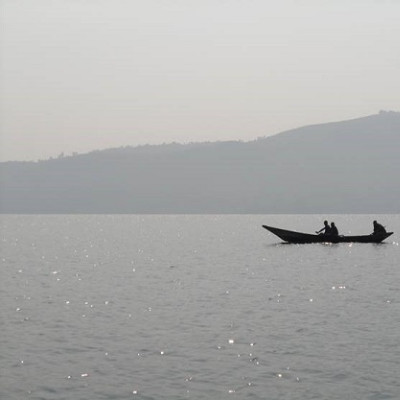
African lake provides new clues about ancient marine life
New research shows there may have been more nitrogen in the ocean between one and two billion years ago than previously thought, allowing marine organisms to proliferate at a time when multi-cellularity and eukaryotic life first emerged. UBC researchers travelled to Lake Kivu in the Democratic Republic of Congo, because of its similar chemistry to the oceans of the Proterozoic eon, some 2.3 to 0.5 billion years ago. The deep waters of part of the lake have no oxygen and are one of the few places on Earth where dissolved iron is present at high concentrations.
"This is the first time that we have observed microbes recycling nitrogen by reacting it with iron in such a body of water," said Céline Michiels, lead author of the study and PhD student at UBC. "While these reactions have been observed in the lab, their activity in Lake Kivu gives us confidence that they can play an important role in natural ecosystems and allows us to build math models that can describe these reactions in oceans of the past."
Michiels and her colleagues found that when microorganisms from Lake Kivu react iron with nitrogen in the form of nitrate, some of this nitrogen is converted to gas, which is lost to the atmosphere, but the rest of the nitrogen is recycled from nitrate to ammonium, which remains dissolved and available for diverse microorganisms to use as a nutrient.
The research team used math models, informed by data collected from lake Kivu, to learn more about how this recycling could have affected life in the oceans during the Proterozoic eon. They learned that biological activity was not limited by the availability of nitrogen, as previously thought, but rather was likely limited by another key nutrient, phosphorous. Nutrient availability would have played an important role in shaping the nature and activity of life in the oceans at this time, thus setting the stage for the evolution of multicellular life and Eukaryotes.
"It's really exciting that we can use information recovered from modern environments like Lake Kivu to create and calibrate math models that reconstruct chemistry and biology from almost two billion years ago," said Sean Crowe, senior author of the study and Assistant Professor and Canada Research Chair in Geomicrobiology at UBC. "With these models and clues from rocks, we're learning more and more about how evolving life in the ancient oceans shaped Earth's surface chemistry over long stretches of early history."
This research was part of the East African Great Lakes Ecosystem Sensitivity to changes project, a broader initiative to study microbial ecology in African Great Lakes, led by Belgium researchers François Darchambeau, of the Université de Liège, and Jean-Pierre Descy, of the Université of Namur.
The study was published this week in Nature Geoscience: http://www.nature.com/ngeo/journal/vaop/ncurrent/full/ngeo2886.html
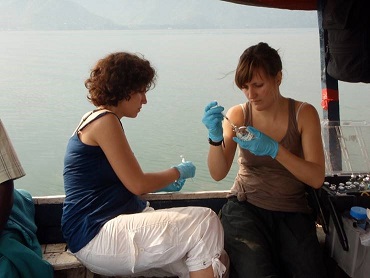
On the right, PhD student Céline Michiels (first author of the study) in the field adding tracers to water samples. Photo: Céline Michiels.
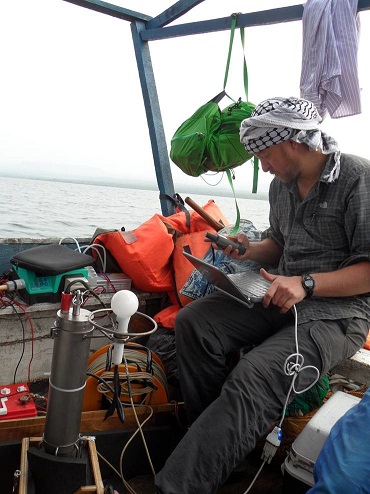
Dr. Sean Crowe, lead author on the study, obtaining in situ data from the water of Lake Kivu with a CTD (Conductivity, Temperature and Depth) instrument. Photo: Céline Michiels.
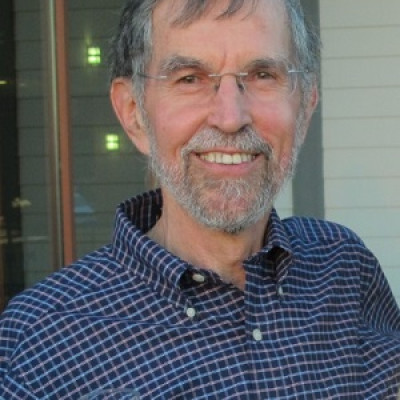
In memoriam: Professor Emeritus Paul J Harrison, FRSC
It is with great sadness that EOAS announces the passing of our colleague Paul J. Harrison on 17 December 2016, after a brief illness. Paul joined the Department of Oceanography in 1975 after completing his PhD at the University of Washington. He soon built an internationally recognized program in Biological Oceanography, which trained 45 graduate students, 15 postdoctoral scholars and countless undergraduates, many of whom went on to be leaders in academia, government and industry. He published >300 refereed scientific papers (nearly 50 in the last 5 years), authored “The Bible” of seaweed physiology and ecology, and is one of the most highly cited scholars in his discipline. Despite being the recipient of many awards, including being elected to the Royal Society of Canada, Paul was a humble individual that was always willing to put the achievements of others above his own. He was also an exceptional educator, and was the first recipient of UBC’s Graduate Teaching Award. In 2002, he left UBC to become the Director of the Graduate Program in Atmospheric and Marine Science at the Hong Kong University of Science and Technology, prior to returning to EOAS as Professor Emeritus in 2010, where he remained as active, as ever. A celebration of Paul’s life is planned to occur on 26 March from 1pm to 4pm in the Earth Sciences Building, followed by an optional casual dinner. Please RSVP here if you can attend. A website that honours Paul's contributions and which accepts donations for a scholarship in his memory can be found here.
Sukhi Hundal awarded Faculty of Science Excellence in Service Award
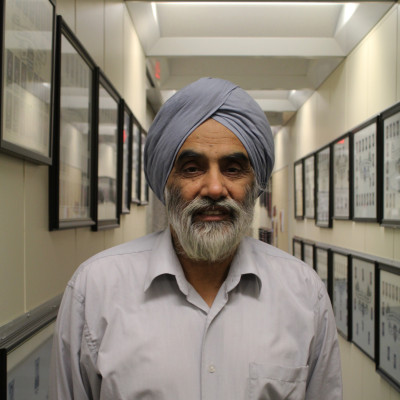
Sukhi Hundal has been awarded a much deserved 2016 Faculty of Science Excellence in Service Award which recognizes the exceptional service contributions of UBC Science staff, students and faculty. We have all benefited greatly from Sukhi's selfless dedication EOAS for over 20 years – he has made our department a better place.
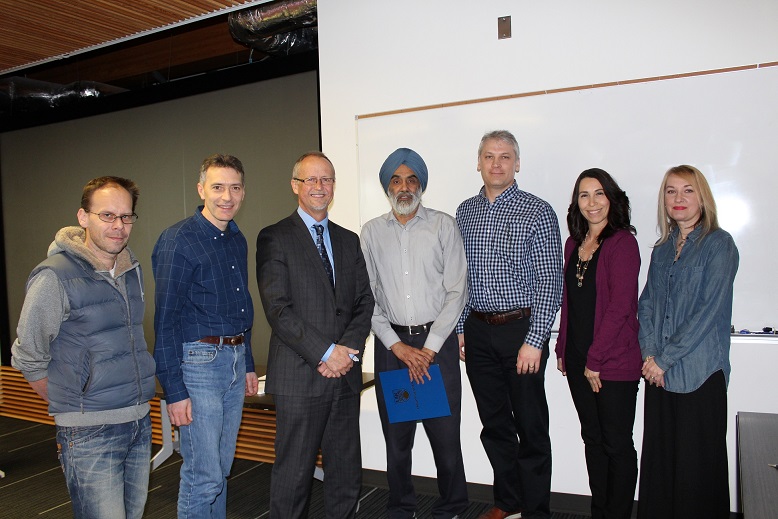
The award was presented at a Faculty of Science meeting on March 1, 2017. Pictured below from left to right: Charles Krzysik (EOAS System Analyst), Roger Beckie (EOAS Department Head), Simon Peacock (Dean of Science), Sukhi Hundal (EOAS IT Technician), Tom Yerex (EOAS IT Manager), Daphne Fogelman (EOAS HR Manager), and Renee Haggart (EOAS Director of Resources and Operations). Congratulations Sukhi!
Two EOAS Faculty Appointed Canada Research Chairs
Congratulations to Dominique Weis on her successful renewal of Canada Research Chair (CRC) funding and to Mark Johnson on his new appointment as a CRC.
Dominique Weis
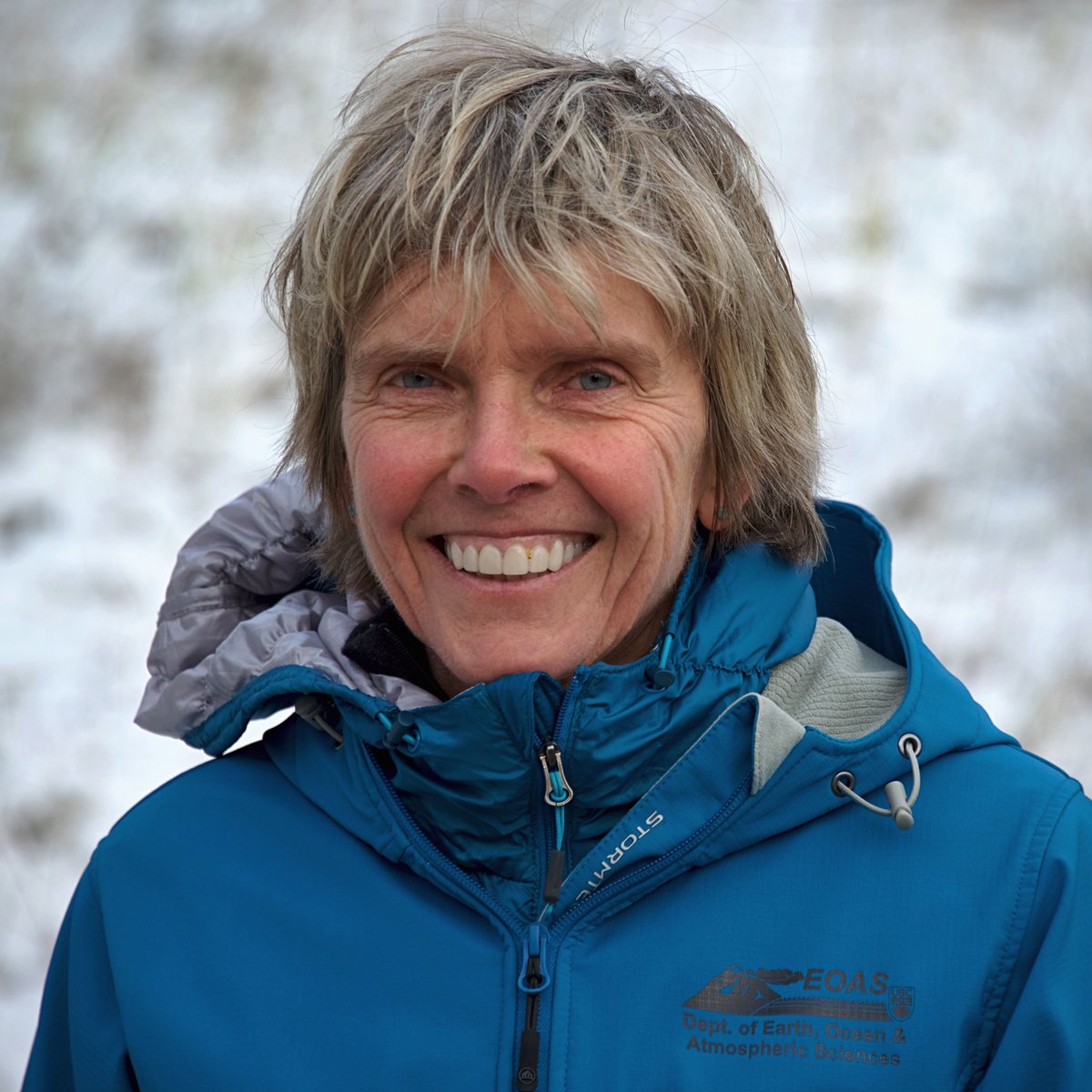
This is Dominique’s second renewal as Tier I CRC in the Geochemistry of the Earth’s Mantle, a chair she has held since coming to UBC. The renewal signifies $1.4M of funding over seven years for the Chair. The reviewing committee had no shortage of praise for Dominique’s research career. As one member put it, “PCIGR is one of the most sophisticated and comprehensive isotope and geochemical facilities anywhere in the world; this is due to the tirelessness of Dr. Weis in securing funding, not only for its creation and expansion, but in efforts to populate the laboratory with people necessary to make it work.”
Mark Johnson
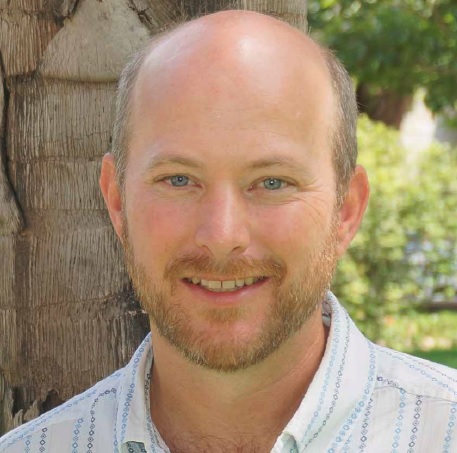
Mark’s has been appointed as a newly established Tier II CRC in Ecohydrology. Mark researches how land use affects the hydrology and ecology of soil. In particular, Mark focuses on the delicate coupled interactions between the carbon cycle and water cycle. Understanding how land use alters the quantity and speciation of carbon in surface waters informs what practices will be able to sustain, among other things, forestry and clean drinking water availability in BC. The appointment constitutes $500k over the next five years.
Related Links
Mark Johnson Earth Matters feature
Dominique Weis Earth Matters feature
Pacific Center for Isotopic and Geochemical Research
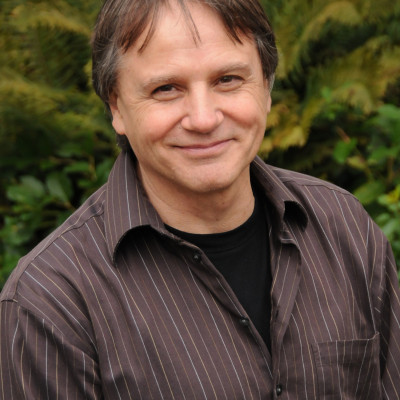
Curtis Suttle Elected ASLO Sustaining Fellow
Congratulations to Professor Curtis Suttle, who was elected a Sustaining Fellow in the Association of the Sciences of Limnology and Oceanography (ASLO). This honour recognizes ASLO members who have advanced the aquatic sciences via their exceptional contributions to the benefit of the society and its publications, meetings, and other activities. The 2016 ASLO Fellows will be honored at the ASLO Meeting in Honolulu in February 2017.
Read more about this award and the ALSO Fellows: http://aslo.org/announce/fellows2016.html.
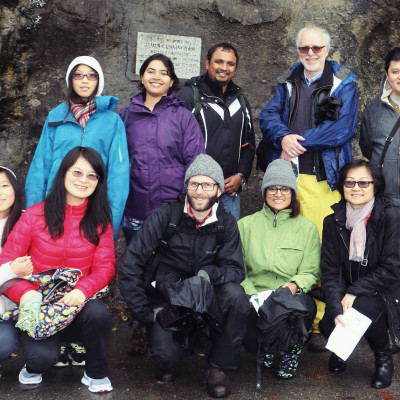
Paul Smith leads MOSAIC Earth History tour of Stanley Park
Despite hideous weather, a hardy group showed up to take part in a field trip to Stanley Park run by Paul Smith entitled The forces that shape British Columbia: fire, ice and earthquakes, as part of the MOSAIC BC program. MOSAIC helps new immigrants and refugees to Greater Vancouver learn about the culture and physical environment of their new surroundings.
The focus of the excursion was the sea walk from Prospect Point to Siwash Rock looking at the cliffs and the beaches. The field trip participants examined Cretaceous-Eocene sedimentary rocks intruded by a 33 million year old dike. The view of the North Shore through the mist and rain clouds provided an opportunity to talk about geologic uplift and its relation to local subduction and earthquakes. The granite boulders scattered on the seashore originating from the Coast Mountains brought on discussion of the force and extent of glaciers once present in Vancouver. An illustrated handout and geologic glossary helped participants engage with what they saw during the tip.
Paul expects that trips like these with MOSAIC will become an annual event. More MOSAIC events including field trips can be found on their events calendar and Facebook page.